Introduction
The independence of Mexico was a long and complex process that led to the end of Spanish rule and the birth of a new nation.
Causes of Independence
- Social Inequality: The Spanish-born elite had privileges over Creoles and indigenous people.
- Economic Exploitation: Heavy taxation and trade restrictions hindered economic growth.
- Influence of Other Revolutions: The American and French Revolutions inspired Mexicans to fight for freedom.
- Political Changes in Spain: Napoleon's invasion of Spain weakened Spanish control.
Key Events
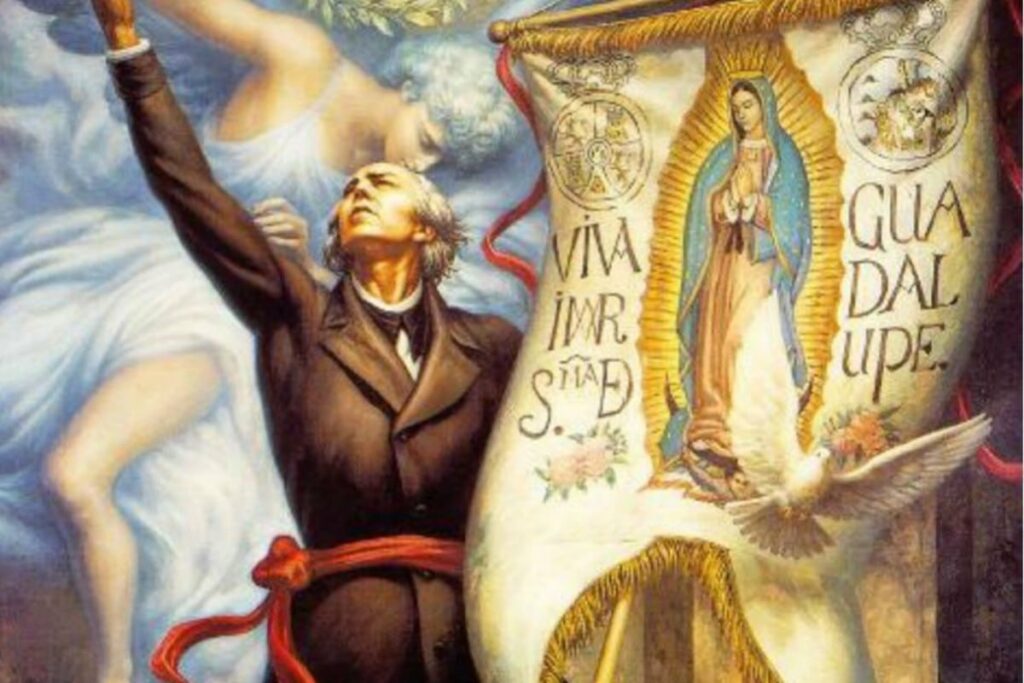
- Grito de Dolores (1810): Miguel Hidalgo's call for rebellion.
- Early Battles (1810-1815): Insurgent leaders fought Spanish forces.
- Resurgence of the Movement (1815-1820): Vicente Guerrero continued the struggle.
- Plan of Iguala (1821): Iturbide and Guerrero secured independence.
- Treaty of Córdoba (1821): Spain officially recognized Mexico's independence.
Key Figures
- Miguel Hidalgo: A priest who initiated the movement.
- José María Morelos: A military leader who sought equality.
- Vicente Guerrero: A key leader in the final stages of the war.
- Agustín de Iturbide: A former royalist who played a crucial role.
Impact of Independence
- Political Changes: Mexico became an independent monarchy, later a republic.
- Economic Challenges: The war left the country in financial turmoil.
- Social Transformations: Inequalities persisted despite independence.
Conclusion
The independence of Mexico was a turning point in its history. Despite challenges, it marked the beginning of a new era.